
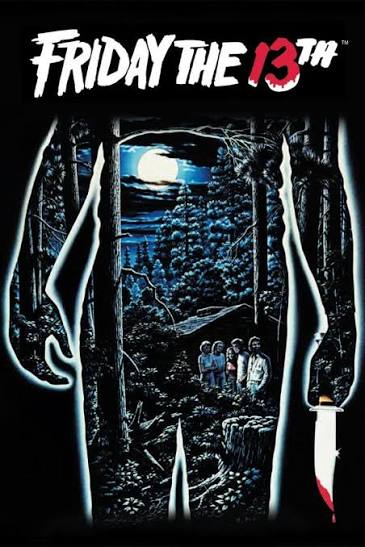
In preparation for the upcoming Crystal Lake miniseries, with Linda Cardellini stepping into the role of Pamela Voorhees, the wife and I sat down to watch the very first Summer Camp slasher film.
The plot of Friday the 13th, the inexplicably optimistic reopening of cursed Camp Crystal Lake, will serve as the basis for the next several movies in a never-ending franchise that follows Jason Voorhees, the hockey masked killing machine, as he lays waste to unsuspecting segments of the population with an assortment of edged weapons.
But he’s not here yet. The original maniac at large in this series is Jason’s mad mother Pamela (Betsey Palmer), seeking revenge on camp counselors that allowed her potato-head son to drown while they were knocking boots.
We have Friday the 13th to thank for a good many of the tropes we enjoy in our daily consumption of horror entertainment, none more important than the body count.
There must be enough carnage to go around and the timing is crucial. Too much or too little and you run the risk of losing the viewer to disgust, or worse, indifference.
Makeup and effects man Tom Savini deserves a bouquet for his seminal blood-and-bladder work here. With nine murder victims and a scant $700,000 budget, Savini’s prime cuts are rendered gloriously realistic.
Annie’s (Robbi Morgan) cut throat, Marcie’s (Jeannine Taylor) ax in the face, and Jack’s (Kevin Bacon!) arrow piercing, all show up on Savini’s greatest hits reel, providing a nasty and final punctuation point unlike any that had come before, effects-wise.
The same cannot be said for Harry Manfredini’s score, which borrows liberally from the screaming strings approach pioneered by Psycho composer Bernard Herrmann decades earlier, further codifying their presence in the genre.
The terms “Dead Camper Movies” and “hack-and-stack” originate from director Sean Cunningham’s first Friday the 13th offering that showed up a mere 46 years ago.
Eight years prior, Cunningham was the producer on Wes Craven’s Last House on the Left, which also gained notoriety for its shocking brutality, and perhaps planted the seed that viewers can absorb even greater levels of horror than previously thought.
What I learned about Friday the 13th is that its impact hasn’t lessened. The finale, when Alice (Adrienne King) is drifting in a row boat on and a deformed Jason springs out of the water, caused my wife to not only scream in terror, but lash out and hit me pretty hard in the jaw.
Pro tip: If you’re showing Friday the 13th to someone for the first time, wear a mouth guard. It still hits.


You must be logged in to post a comment.